Hope grows in Sake through BIFERD and Islamic Relief’s food assistance
Sphere • December 24, 2025
Jonas Habimana, Executive Director, Bureau d’Information, Formations, Echanges et Recherche pour le Développement (BIFERD)BIFERD, Sphere’s focal point in the DRC, has been supporting displaced communities by applying the Minimum Standards for food security and nutrition in their programmes. Their work focuses on meeting urgent needs while helping families rebuild their dignity and independence. The experience of families in Sake is just one example of how these standards guide practical, life-changing support on the ground.
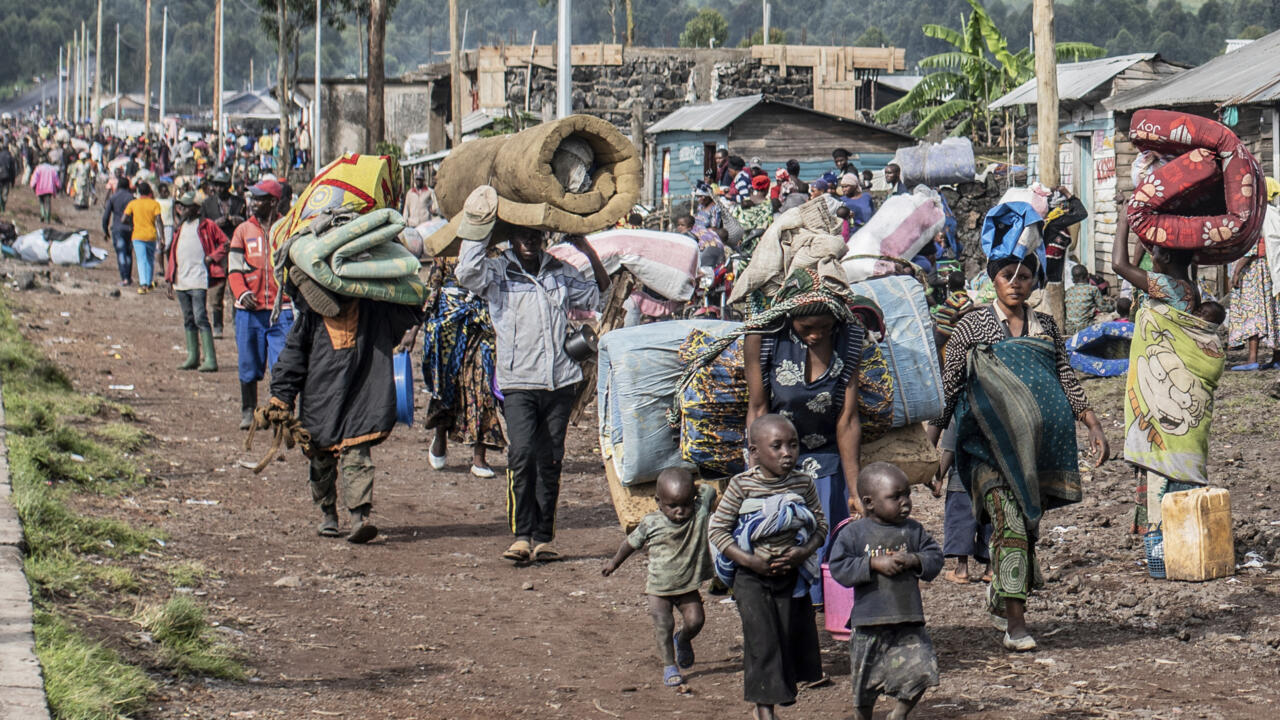
Sake, Masisi Territory, Democratic Republic of Congo – After months in a displacement camp, Balume Munguiko Dieudonné and his family felt they had lost almost everything. Forced to flee violence in their home village, they arrived in Sake, west of Goma, and were living in very difficult conditions.
When BIFERD, identified the family, the children were already showing signs of acute malnutrition.
Meeting urgent food needs
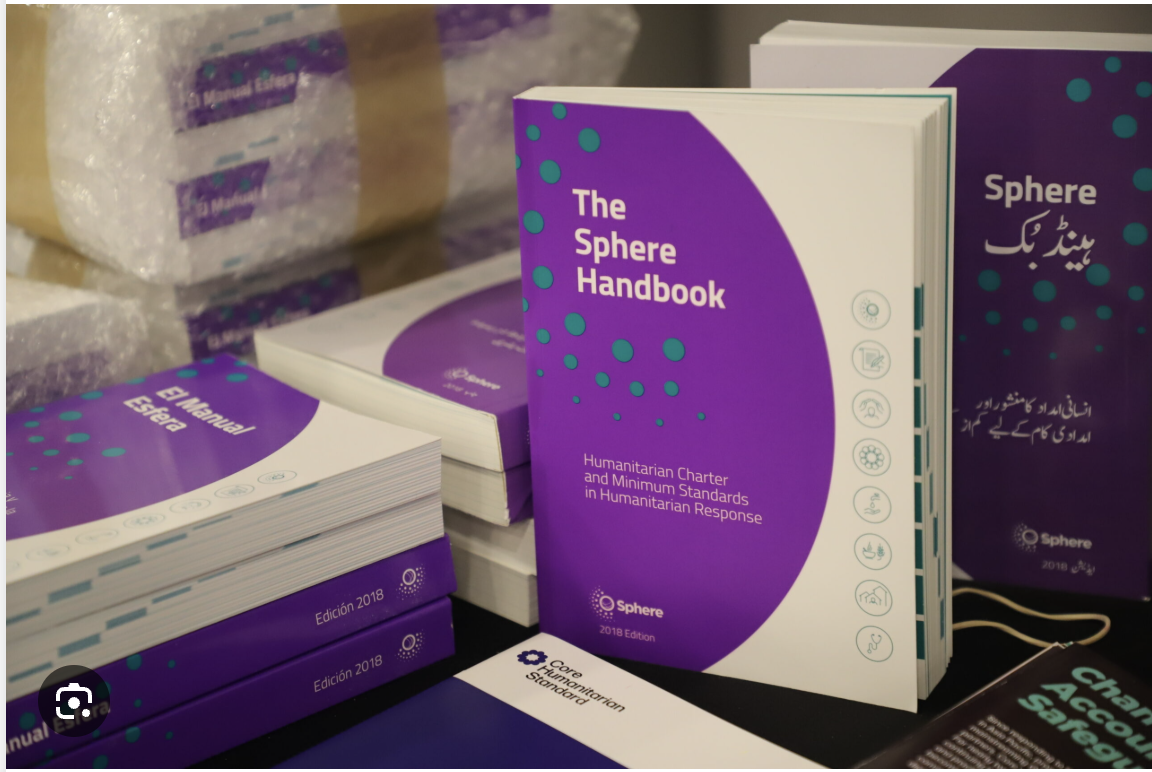
BIFERD provided displaced families with essential food items such as rice, beans, and oil. This immediate assistance helped reduce hunger and improve children’s nutritional status, reflecting Sphere’s focus on meeting basic needs with dignity (⇒Food security 6.1: General nutrition requirements, key actions).“We received rice, beans, and oil at a time when our children were malnourished. It helped us start feeding them properly again,” says Balume Munguiko Dieudonné, a displaced family father.
Seeds to rebuild livelihoods
To help families regain their independence, and in line with the Minimum Standards for food security, BIFERD provided cabbage, leek, and onion seeds along with basic tools in July 2023 (⇒Food security 7.1: Primary production, key actions). This support allowed households to restart small-scale farming and grow their own vegetables again. Combined with the earlier food assistance, this approach helped families rebuild confidence and begin meeting their needs in the medium term.
Harvests that nourish and strengthen
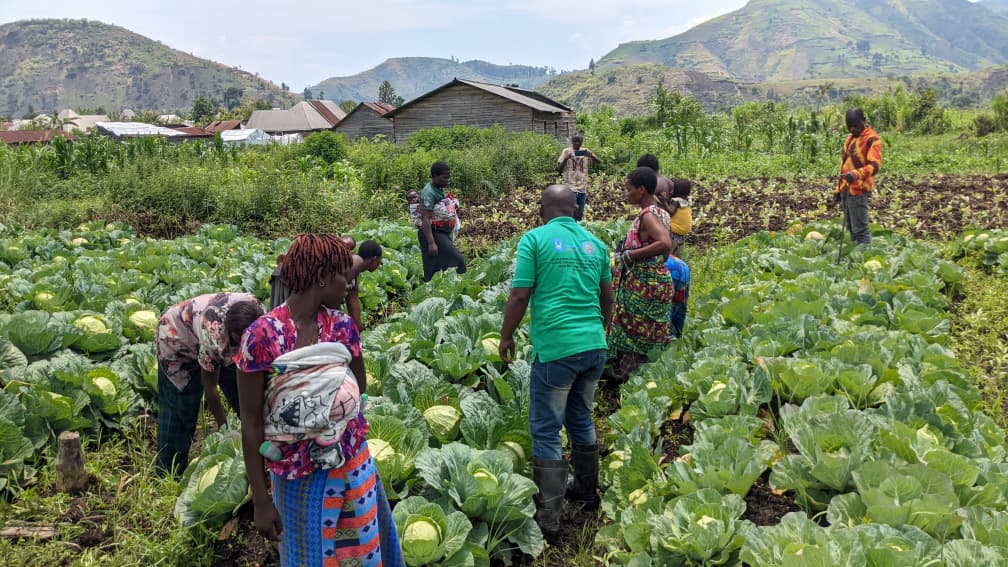
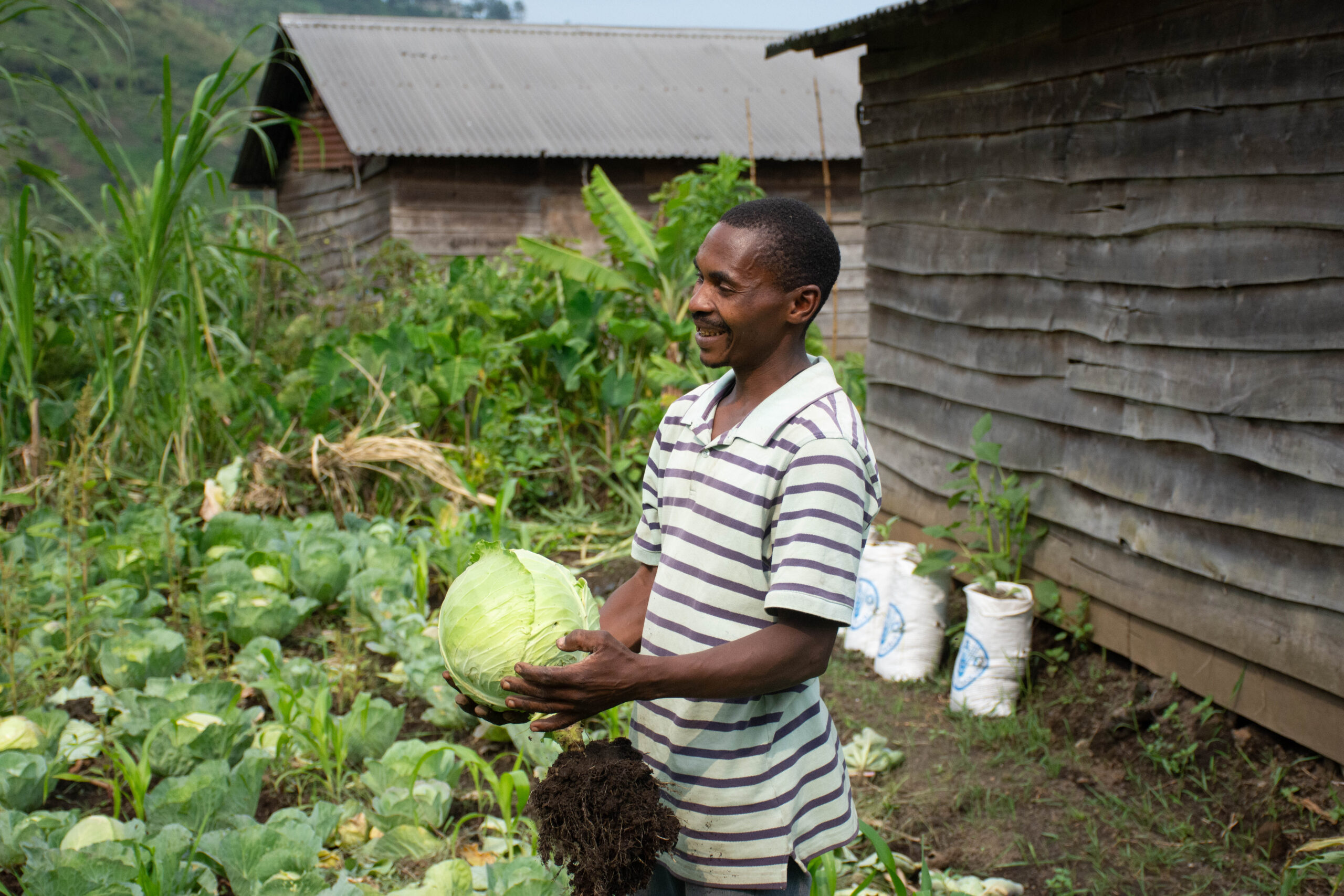
A few months after planting, the change in Sake is easy to see. Small community gardens are now full of cabbages, leeks, and onions, and families are cooking with the vegetables they grow themselves. Children are eating better and gradually regaining their strength.
“We now cook the vegetables from our own garden, and our children are eating well. Their health is improving. Today we no longer need to buy cabbages, leeks, or onions,” Balume shares.
Supporting resilience and dignity
Through this combined approach, emergency food assistance and early recovery support, BIFERD is helping displaced families regain control over their lives. Project interventions such as providing food, seeds, and tools are guided by the Sphere Minimum Standards, supporting safe, nutritious food and practical ways for families to restore their livelihoods.
The experience in Sake shows how practical, standards-based support can help families regain stability after displacement. To hear directly from Balume about his family’s journey and the changes they have seen, watch the short video: https://www.youtube.com/watch?v=JipRjPcu3x0&t=17s
Jonas Habimana, Executive Director, Bureau d’Information, Formations, Echanges et Recherche pour le Développement (BIFERD) [caption id="attachment_56654" align="aligncenter" width="1024"] Local humanitarian…
 Français
 Español
 English
 العربية
 Login
Login
 Donate