Humanitarianism rooted in principles: An interview with Tamara Zibin
Sphere • October 7, 2025
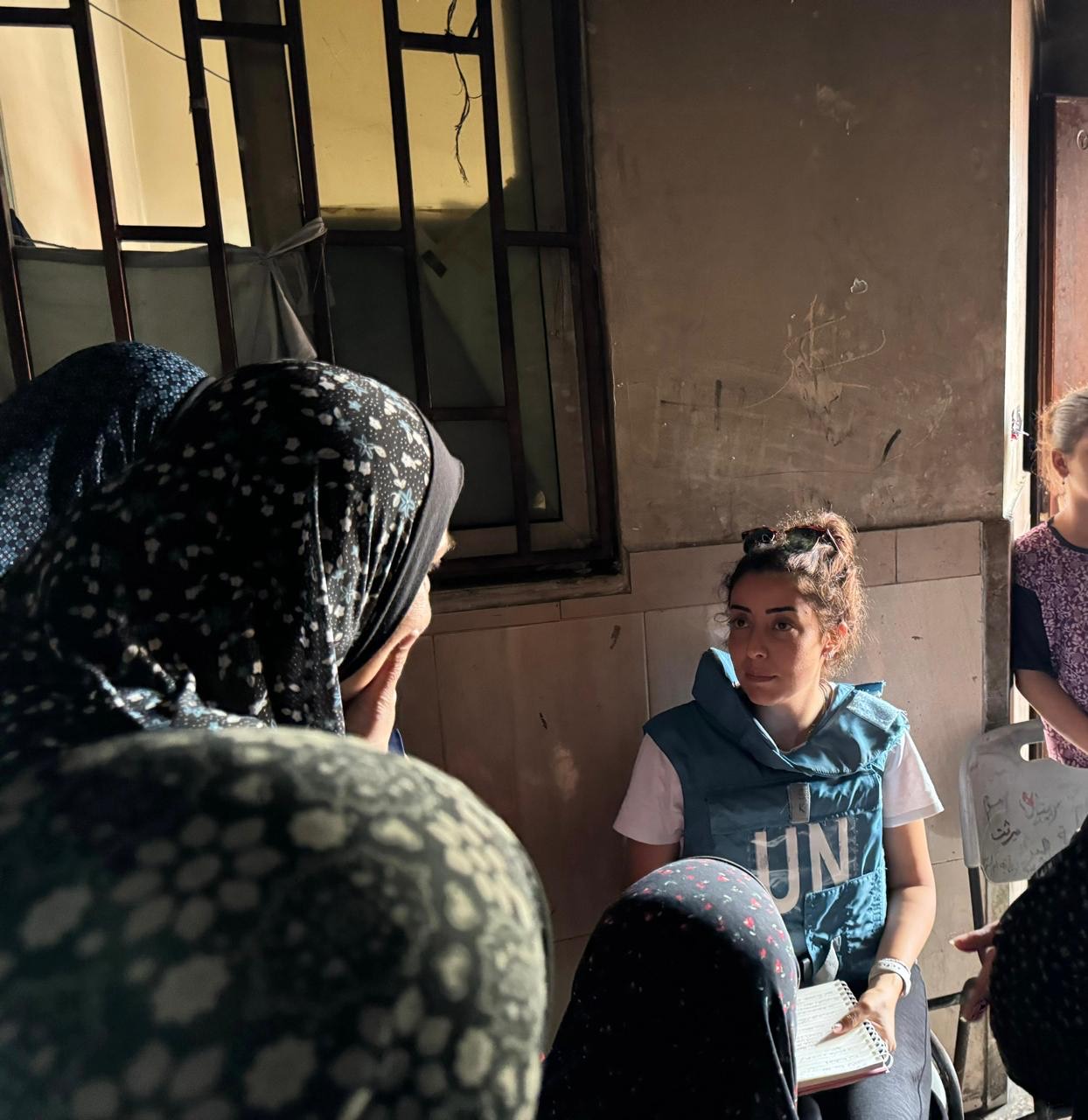
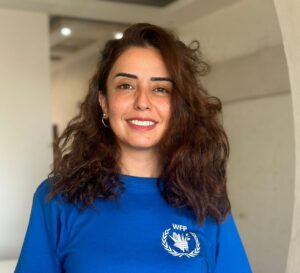
Tamara Zibin, a Protection and humanitarian advisor and Sphere member, has spent her career working in Jordan, Gaza, Syria, Lebanon, the UK, and beyond. She was recently nominated by Sphere for Humanitarian Hero of the Year. In this conversation, she reflects on her journey, the challenges of working in crises, and what principled humanitarianism means to her.
Tamara Zibin
What motivated you to step into humanitarian work, and what has kept you in it despite the setbacks?
I started out working in a bank after graduating, with a very good starting salary in Jordan. But during my time at the University of Jordan, as a member of the student union, I had already experienced what it feels like to support someone in distress, and that stayed with me.
At the bank, I felt disconnected from what was happening in the world and unfulfilled in my daily work. I was determined to find something more meaningful. A friend told me about the United Nations Volunteers (UNV) scheme with UNICEF, I applied, and that’s how my humanitarian journey began.
What has kept me in this field, despite the disappointments, corruption, and failures I’ve witnessed, is the fact that I cannot imagine myself doing anything else. I could never settle into a 9-to-5 job without impact. I stay because I believe I am strong enough to push for change and make a difference.
Looking back, what have been the toughest lessons you’ve learned?
Being a woman of colour in this sector is very different from being a white male. One of the toughest lessons I’ve learned is that humanitarianism is not free from the same power dynamics, racism, and inequalities that we are supposed to be fighting against.
I have had to work harder to prove myself, to have my voice heard, and to challenge spaces where decisions are made without the perspectives of people like me. It has been exhausting at times, but it has also strengthened my determination to keep pushing for a sector that reflects the values it preaches: dignity, equality, and justice.
How have Sphere principles shaped your work across different contexts?
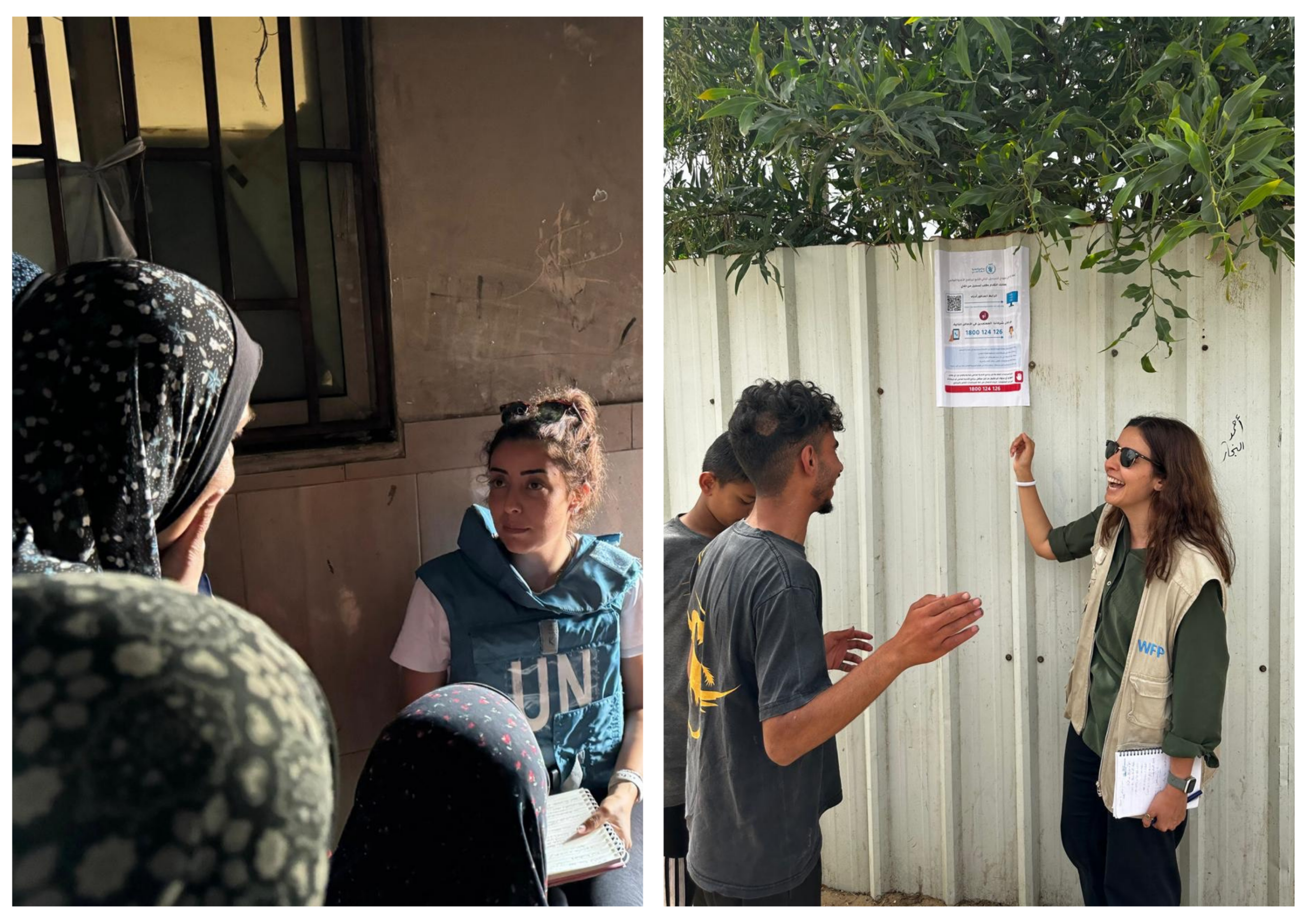
I am currently working as a consultant in protection and humanitarian advisory with multiple UN agencies, INGOs, and local NGOs across the UK, Syria, Gaza, and Lebanon.
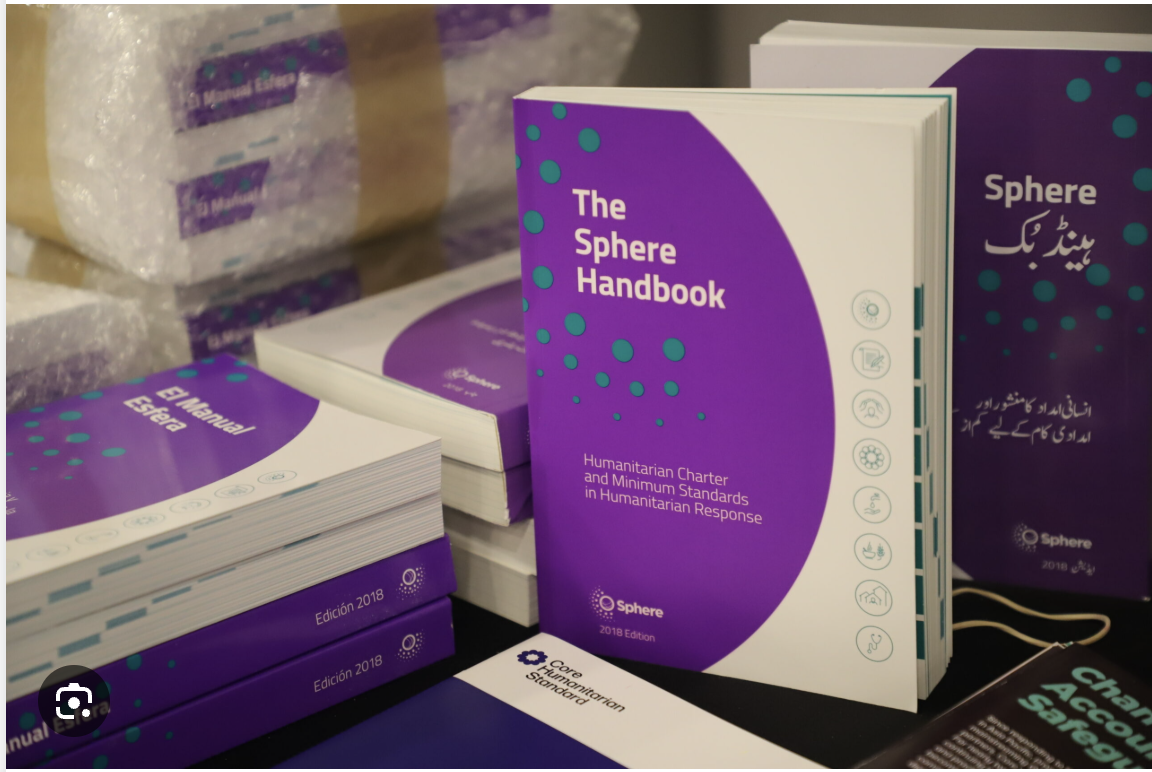
Sphere has always been a guiding reference in my work. Every team I have led or supported knew that I applied Sphere standards consistently, from programme design to implementation and monitoring. At the same time, there have been situations, especially in active war zones, where I had to make difficult decisions in contexts that the Handbook does not fully anticipate. Being a member of Sphere has also influenced the way I approach communities; always prioritising dignity, accountability, and inclusion. It has given me the confidence to challenge practices that fall short of these standards, even in very difficult contexts.
Do you think tools like the Sphere Handbook remain relevant in crises as extreme as Gaza?
Yes, the Sphere Handbook remains relevant, but it also requires regular updates and contextualisation. Extreme crises like Gaza highlight gaps between the standards and the realities humanitarians face in active war zones. The Handbook would be even stronger if more experts with direct field experience contributed to revisions, ensuring that unique conflict settings are fully reflected.
What are the biggest risks your colleagues face while delivering aid in Gaza?
The biggest risks are direct attacks on humanitarian staff and operations. We have faced Israeli forces shooting directly at us, targeting distribution sites, and killing our partners’ staff while they were on duty. These are not accidental risks of war, they are deliberate violations that put both aid workers and the communities we serve in constant danger.
What was your first reaction when Sphere nominated you for Humanitarian Hero of the Year, and what do you want it to highlight about your team?
Every team I have led or worked with knows that I reference Sphere in my work and keep a copy of the Handbook on my desk. I see myself first and foremost as a principled humanitarian. I do not compromise on principles just to get the work done. That is why the nomination coming from Sphere meant so much to me: it felt like recognition not only of my work, but also of my consistent advocacy for principled humanitarianism.
But my work in Gaza would not have been impactful without my team. Their determination to learn, deliver, and keep showing up for people despite being directly affected by the war themselves was a constant reminder of what it truly means to be a humanitarian. I want this award process to highlight their courage and resilience, and to remind the world that Gaza’s humanitarians are heroes in the truest sense.
What change is most urgently needed within the humanitarian system?
We need a real reform of the humanitarian sector. That means redefining the donor–recipient agency dynamic, putting refugees and war survivors in leadership roles within the UN and international NGOs, dismantling white supremacy in the system, and building stronger accountability mechanisms that genuinely put affected people in the driver’s seat of our programmes and interventions. Without these changes, we will continue reproducing the same unequal structures instead of transforming them.
In moments of despair, where do you find resilience?
I look within myself. I draw strength from the moments when I thought I would lose my life but survived, and from the abuse I faced as a woman of colour in this sector, which only made me a more determined fighter for others. I also remind myself that I need to care for myself first in order to care for others, both in my work and in my personal life.
Sphere is advocating for humanitarian standards training to strengthen local response capacities in Gaza. Why is this the right investment now?
When circumstances are nearly impossible and resources are extremely scarce, humanitarian action must be guided by clear principles to ensure it does not cause further harm. Training on humanitarian standards helps responders remain impartial, uphold accountability to affected people, and make the most ethical and effective decisions in situations where every choice carries life-and-death consequences. Investing in this knowledge now strengthens the quality, integrity, and trustworthiness of the response even in the midst of crisis.
Jonas Habimana, Executive Director, Bureau d’Information, Formations, Echanges et Recherche pour le Développement (BIFERD) [caption id="attachment_56654" align="aligncenter" width="1024"] Local humanitarian…
 Français
 Español
 English
 العربية
 Login
Login
 Donate