Français
 Español
 English
 العربية
 Login
Login
 Donate













Jonas Habimana, Executive Director, Bureau d’Information, Formations, Echanges et Recherche pour le Développement (BIFERD)
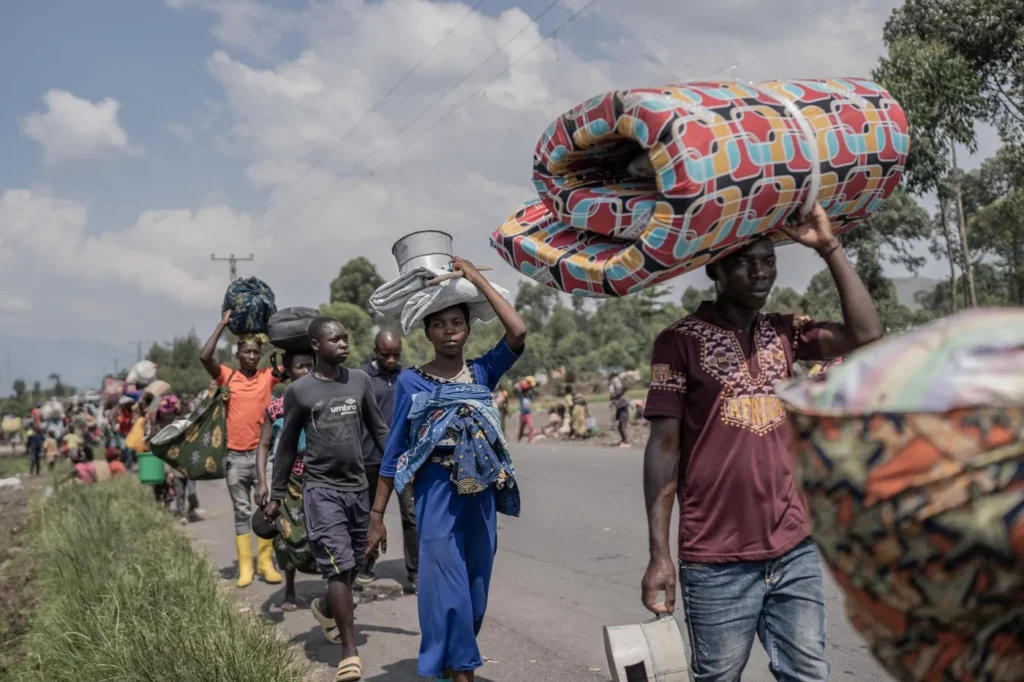
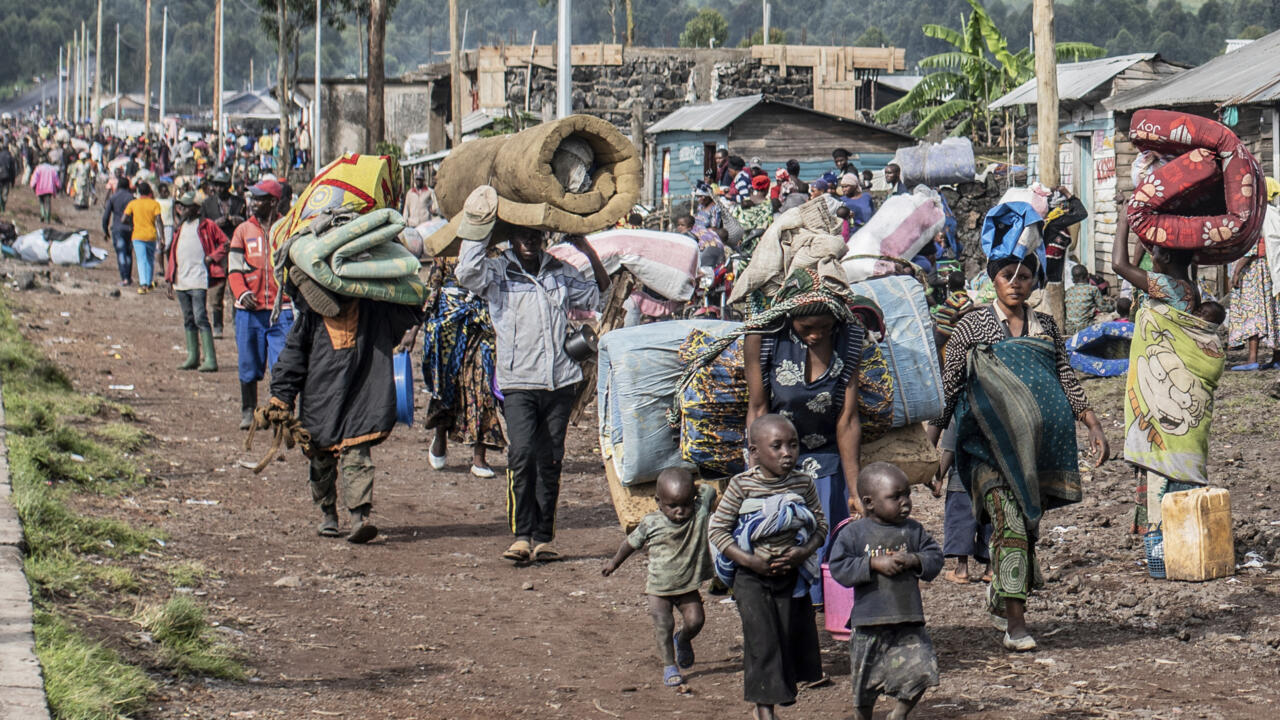
To explore these issues, BIFERD, Sphere member and focal point in DRC, conducted a research study on localisation in the DRC. The report documents the realities on the ground and provides evidence-based recommendations for improving support to local actors. You can access the full report in French and English translation. Many thanks to Brandon Carl Monika, MD, MSc, Liverpool School of Tropical Medicine for kindly volunteering to translate the report into English.
We sat down with Jonas Habimana, Sphere trainer and BIFERD focal point in the DRC since 2015, to hear his insights on the research and its findings:
Why did BIFERD decide to conduct research on localisation in the DRC?
BIFERD initiated this research to better understand the obstacles and opportunities related to localisation in the DRC, a country where local actors often remain underfunded despite their direct access to communities. The objective was to document field realities in order to support evidence-based advocacy.
What were the main findings of your report?
The report shows that local organisations have a strong community presence and moderate operational capacity, but remain limited by access to direct funding, bureaucracy from international partners, and administrative constraints linked to compliance requirements. It also highlights the need for more equitable partnerships and sustained institutional support.
What changes would you like to see regarding localisation in the DRC in 2026 and in the years to come?
We would like to see a significant increase in direct funding to local actors, more transparent partnership mechanisms, and full recognition of their leadership in humanitarian interventions. Ideally, localisation should become a structural pillar of the humanitarian response in the DRC by 2026.
The findings from BIFERD’s research highlight the critical role of local actors in humanitarian response and the urgent need for more equitable partnerships, direct funding, and recognition of their leadership. Strengthening localisation in the DRC is not just a policy goal, it is essential for more effective, community-driven humanitarian action. For those interested in learning more, the full report is available in both French and English.