RoofWash: A Practical Innovation for Safer Rainwater Harvesting
Sphere • September 23, 2025
Enos Bonny, humanitarian innovator
Summary
RoofWash is a simple yet effective innovation for improving household-level rainwater harvesting. This article outlines how RoofWash works, provides step-by-step operation and maintenance guidance, and highlights key rainwater treatment protocols. It also identifies contexts where RoofWash can be an appropriate humanitarian WASH/Shelter intervention.
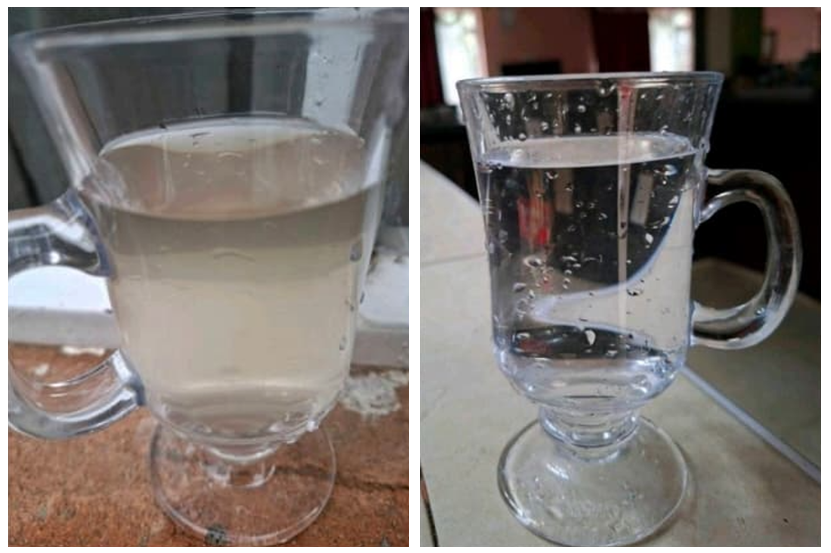
RoofWash addresses a common challenge in rainwater harvesting: roof contamination that causes high turbidity. By diverting the first rains away from the storage tank, RoofWash can help to meet Sphere WASH Standard 2.2: Water Quality which requires drinking water to be free of visible turbidity (below 5 NTU).
Installed on the downpipe of a rainwater harvesting system, RoofWash gives the user control over the quality of water entering their storage tank.
Design and Materials
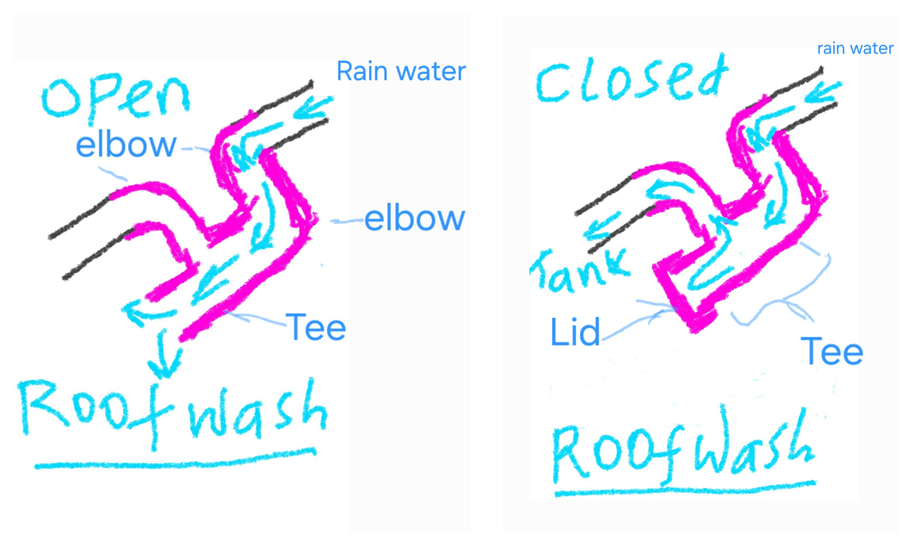
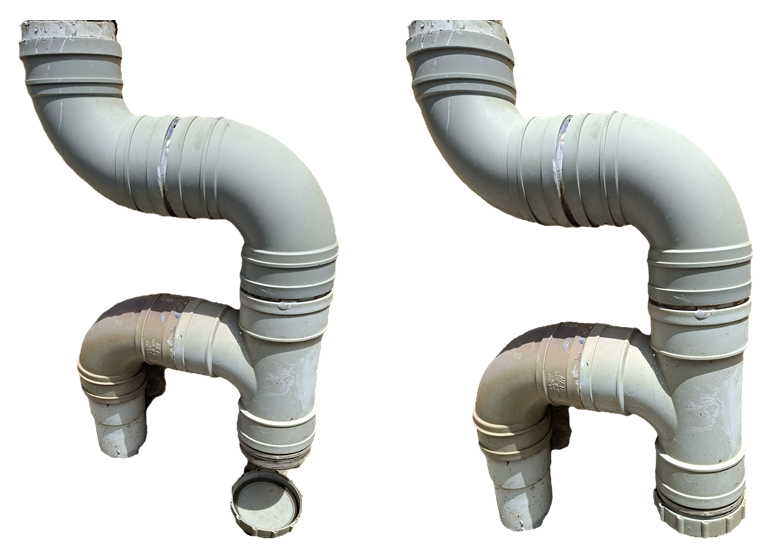
RoofWash is built from three PVC elbows, one PVC “Tee” with a lid, and PVC glue. These low-cost components are often available in local markets and can otherwise be procured internationally.
Image 1: Hand-drawn diagrams of RoofWash in open and closed positions
Operation and Maintenance
To ensure effective performance:
Dry season: Keep RoofWash open by unscrewing and safely storing the lid.
Start of rainy season: Leave RoofWash open to let the first rains wash accumulated dirt from the roof to the ground.
After initial flushing: Once clear water is observed, close RoofWash with its lid to allow clean water to flow into the storage tank.
Image 2: Photorealistic images of RoofWash in open and closed positions
Water Treatment and Safety
Even after diversion, rainwater must be treated before drinking. Since RoofWash reduces turbidity, chlorination becomes more effective. WASH Standard 2.2: Water Quality recommends maximum 0.2–0.5 mg/L free residual chlorine (FRC) when using market-available chlorine disinfectants. Boiling and filtration may also be effective alternatives. Safe storage and hygienic handling of treated water are essential at all times.
Suitability and Use
RoofWash should only be used with appropriate roofing materials such as galvanized (not rusted) iron sheets. Hazardous roofing (e.g., asbestos) should not generally be used for rainwater harvesting. Always engage with users to explore the acceptability and feasibility of rainwater harvesting at target locations.
RoofWash is particularly effective in:
Households and community resource centres with suitable roofs.
Emergency or humanitarian response settings where the rainy season and resource availability overlap.
Long-term water supply strategies, where it can supplement existing systems during the dry season.
Image 3: Left: Turbid rainwater from a dirty roof (discarded by open RoofWash). Right: Rainwater delivered to storage tank by closed RoofWash after water from the first rain was discarded.
For further consultation contact Enos at enos.wambua@gmail.com
 Français
 Español
 English
 العربية
 Login
Login
 Donate