Français
 Español
 English
 العربية
 Login
Login
 Donate












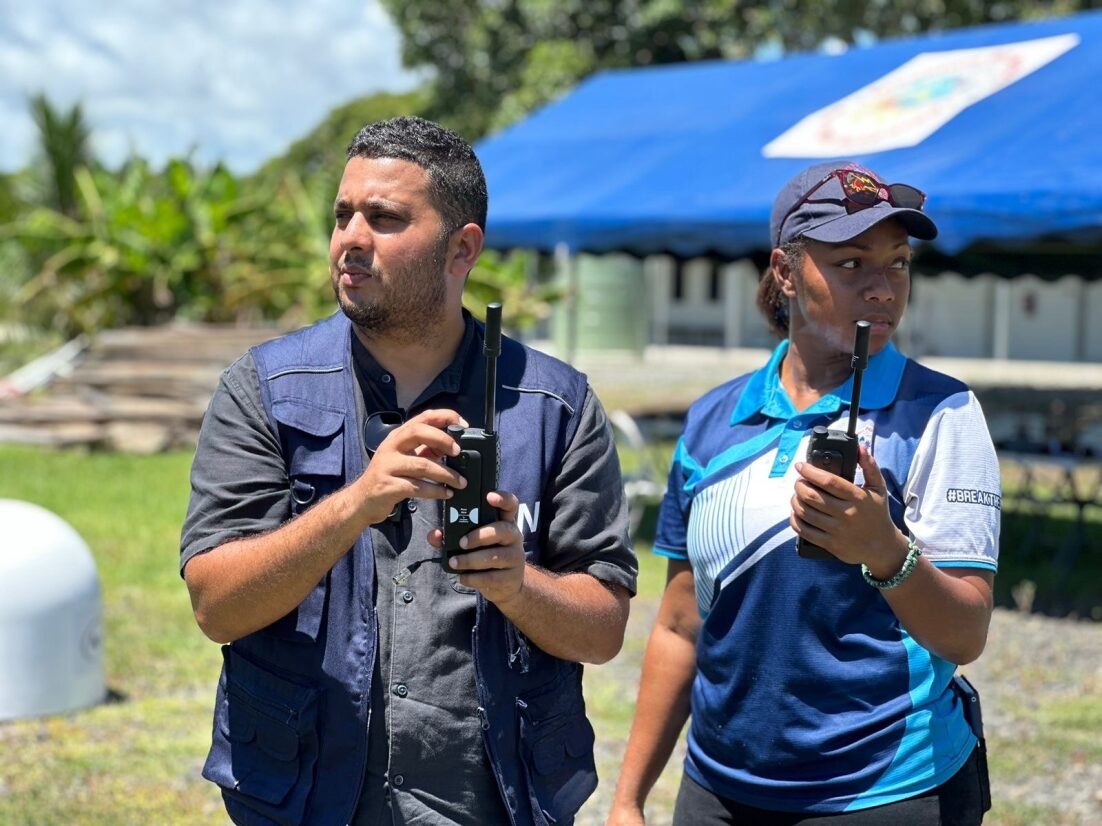
Connectivity in humanitarian crises is no longer a secondary or purely technical service, but can be considered as life-saving assistance. It has become essential to how people access aid, receive information, and remain connected to support systems in emergencies.
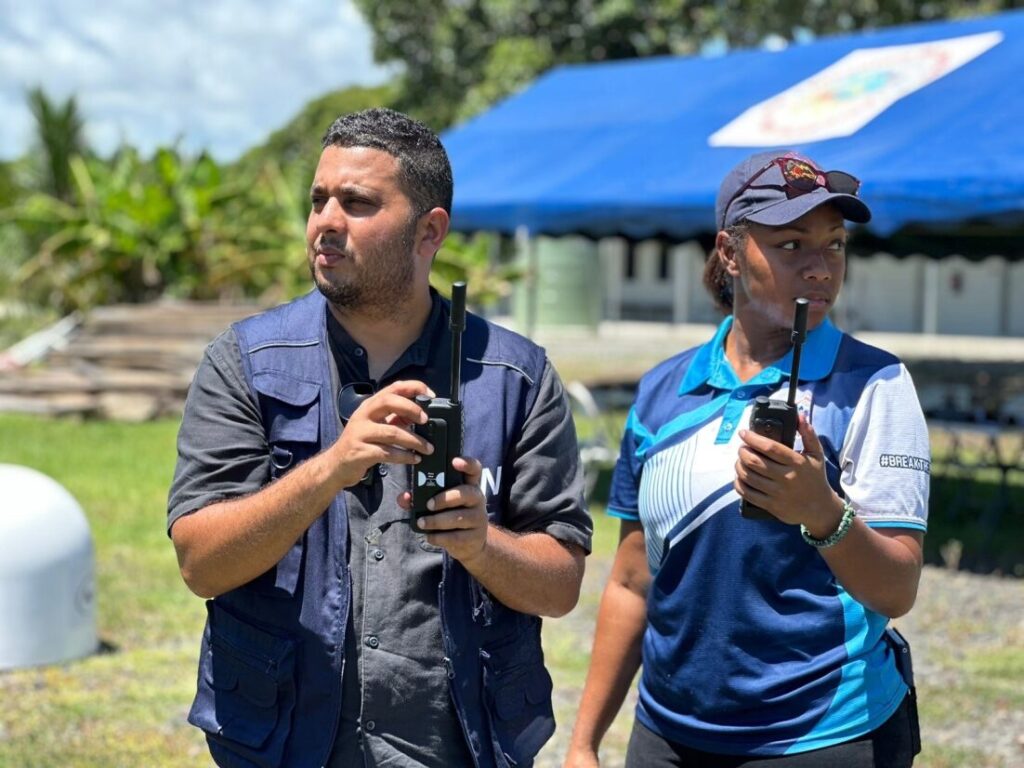
Connectivity as fundamental to humanitarian response
Developed by the Emergency Telecommunications Cluster (ETC), the Connectivity as Aid (CAA) Standards reflect a rapidly evolving area of humanitarian practice.
The CAA Standards define minimum expectations for providing connectivity in humanitarian settings. Like other HSP standards, they are not about technical specifications, but about setting clear qualitative benchmarks. The focus is on making sure connectivity services are safe, inclusive, rights-based, and accountable.
This reflects a broader shift in how connectivity is understood.
Maria Saleh, Services for Communities Officer at World Food Programme, explains:
“Bringing the Connectivity as Aid (CAA) Standards into the Humanitarian Standards Partnership is an important step toward recognising connectivity as a core enabler of humanitarian response, rather than a standalone technical service.
Today, connectivity shapes nearly every aspect of how aid is delivered: it enables affected communities to access critical information, communicate with service providers, and stay connected to support networks; it underpins digital assistance mechanisms such as cash transfers and registration systems; and it supports coordination, data sharing, and decision-making across humanitarian actors.
In many contexts, without connectivity, response efforts are slower, less inclusive, and less effective.”
From operational challenges to shared guidance
The need for the CAA Standards comes directly from field experience.
Phyza Jameel, Program Lead at World Food Programme, reflects on a practical challenge faced in Mauritania:
“In March 2024, we were faced with a very practical challenge in Mauritania while setting up a digital centre for providing connectivity for refugees living in Mberra camp, Bassikounou. Within a camp, where more than 118,000 Malian refugees reside across the Sahara desert, we were confronted with a fundamental question: what criteria should guide the selection of a site and the deployment of connectivity solutions for an affected population, to which this will become a lifeline for communication in this secluded camp?
We encountered similar dilemmas during project decision-making processes in protracted crises in the Central African Republic, in sudden-onset disasters in Madagascar and Mozambique, and for people fleeing conflict, whether in settled camps or while on the move.”
These experiences point to a common gap: the lack of a shared framework to guide decision-making.
“Connectivity as Aid (CAA), for us, though inspired by the Sphere Standards, emerged as practical guidance to shape and structure the thinking of practitioners on the ground. Its intent is simple but profound: connectivity must be considered as no less critical aid than water, shelter, or food, and should be considered lifesaving assistance and hence follow the same standards.”
Why this matters for the Humanitarian Standards Partnership
Including the CAA Standards in the HSP helps position connectivity within the broader ecosystem of humanitarian standards.
It creates space to align how connectivity is planned and delivered with shared humanitarian principles, while also strengthening links with other areas of response that increasingly depend on digital systems and communication.
William Anderson, Executive Director at Sphere, reflects on the significance of this shift:
“The Connectivity as Aid standards is a strong addition to the HSP because it fills a critical gap at exactly the right moment. As aid assistance becomes increasingly digital, these standards ensure that connectivity is delivered in a way that is people-centred, protective, and accountable. They align closely with existing humanitarian principles while extending them into the digital space; helping organisations manage risks, strengthen participation, and improve outcomes without adding duplication. In doing so, they not only complement today’s framework but also future-proof it for a more connected humanitarian landscape.”
Learn more about the standards, and how they help make connectivity safer, more inclusive, and truly helpful when it matters most.
→ CAA Standards
→ Minimum Technical Guidelines